
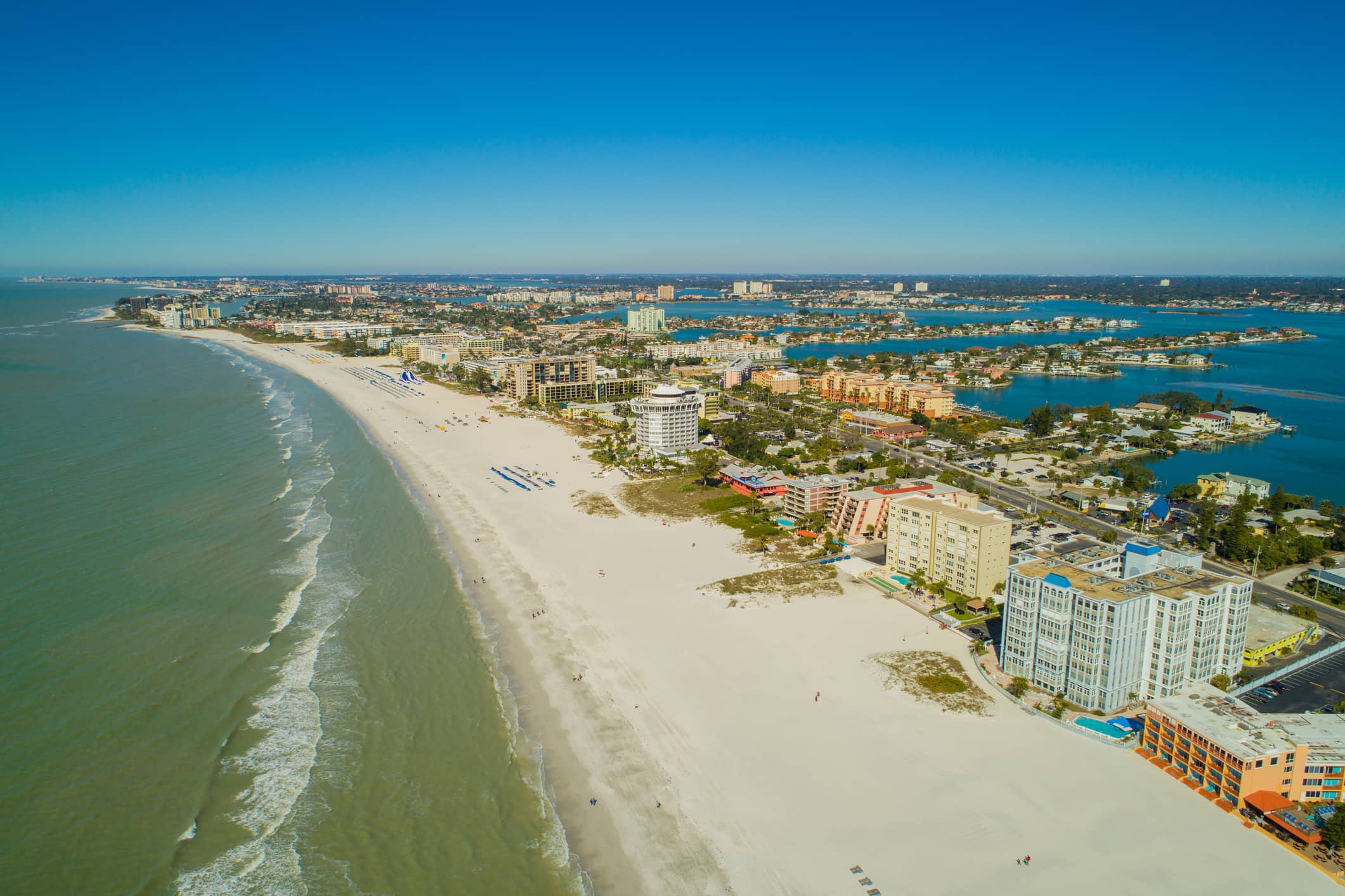
Turn scrolls into bookings with sharper vacation rental photography. Below, you'll learn clear strategies that elevate presentation, justify higher rates, and improve occupancy across competitive Florida markets.
Vacation Home Rental Management: Tips on How to Photograph Your Property
When guests are looking for vacation rentals, they'll likely scroll through a variety of properties offering the same amenities and located in the same area. Some listings get clicks, others get overlooked. The reason? More often than not, the difference isn't the location or even the amenities. It's the photos of your rental.
Across Florida's Gulf Coast, guests are comparing multiple properties side by side. Similar views, similar layouts, similar proximity to the beach. At that point, what actually makes someone click on one listing over another comes down to presentation. This is where photography becomes one of your most powerful tools. Guests don't experience your property in person first; they experience it through images. Those images set expectations, create interest, and ultimately drive decisions. Good photos don't just make your rental look better. They directly affect your visibility, pricing, and occupancy.
In this guide, I'll share professional Airbnb and Vrbo owner tips on why capturing your vacation rental in the best light matters, along with valuable expert tips and how it can boost your income.
Before we break it down, here's a bit about us:
At Resort Rentals, we help vacation rental owners thrive with smart systems and transparent communication. As a full-service property management company serving St. Pete Beach, Indian Shores, and Madeira Beach, we work closely with owners to maximize performance year-round.
Through our property management blog, we share real-world insights, revenue strategies, and market knowledge drawn from decades of experience.
Overview
- Photography drives visibility, pricing, and bookings
- Build a visual story that mirrors the guest journey
- Capture every usable space with sufficient image volume
- Show how spaces function, not just how they look
- Lead with a strong hero image that sells the experience
- Use bright, balanced lighting to elevate perceived quality
- Shoot from angles that enhance depth and clarity
- Center each shot around a clear focal point
- Stage cleanly and consistently to create a premium feel
- Use detail shots to reinforce texture and experience
- Emphasize outdoor areas as key booking drivers
- Professional photography delivers measurable performance gains
- Keep images accurate to maintain trust and reviews
1. Why Photography Is One of Your Highest-Return Investments
In vacation rentals, photos are not just a supporting element. They are the main driver of performance. This is one of the first lessons in vacation home rental management.
Strong photography has the power to increase your listing views, improve booking conversion, justify higher nightly rates, set clear expectations, and reduce negative reviews.
In fact, properties with professional-level photos consistently outperform others, often commanding significantly higher rates and more bookings.
You should think of your rental photos as your storefront. If they don't stop the scroll, nothing else matters.
2. Start with One Goal: Tell a Story
One of the most common mistakes when photographing a vacation rental is treating photos like a checklist. Living room, kitchen, bedroom, done. That's not enough.
You need to create a photo set that tells a story and walks guests through the experience of staying at your property. When guests can visualize themselves moving through the space, they're much more likely to book.
Here are some tips on the best way to approach it:
- Think like a guest entering the space.
- Move from room to room in a logical flow.
- Show how spaces connect.
- Take 2–3 photos of every room from different angles so guests can have a clear idea of the spaces, their layout, and how they connect to each other.
3. What You Need to Photograph (And How Much)
In vacation rental photography, the rule of thumb is "more is more."
You should aim for at least 25 high-quality images, covering every accessible space. In simple words, if a guest can use it, it should be in your photos.
For each room:
- Wide shot to show the layout.
- Mid-range shot to highlight features.
- Close-up to add personality.
And don't skip:
- Outdoor spaces (critical in Florida markets)
- Amenities (pools, balconies, beach access)
- Small details that elevate the experience.
4. Don't Just Show the Space, Show How It's Used
One of the most effective techniques is anticipating what guests want to know and answering it through your photos. Below is a quick breakdown:
Instead of empty rooms:
- Show a set dining table.
- Display kitchen appliances.
- Capture seating arrangements.
This does two things:
- It demonstrates functionality.
- It helps guests imagine themselves there, creating an emotional connection that drives bookings.
5. The Hero Image: Your Most Important Shot
Your first photo, meaning the one that appears first or larger than the others on listing platforms, carries more weight than all the others combined. This image is called the hero image.
This is the image that:
- Gets the click.
- Sets expectations.
- Creates emotional pull.
In Florida beach markets, strong hero images often include:
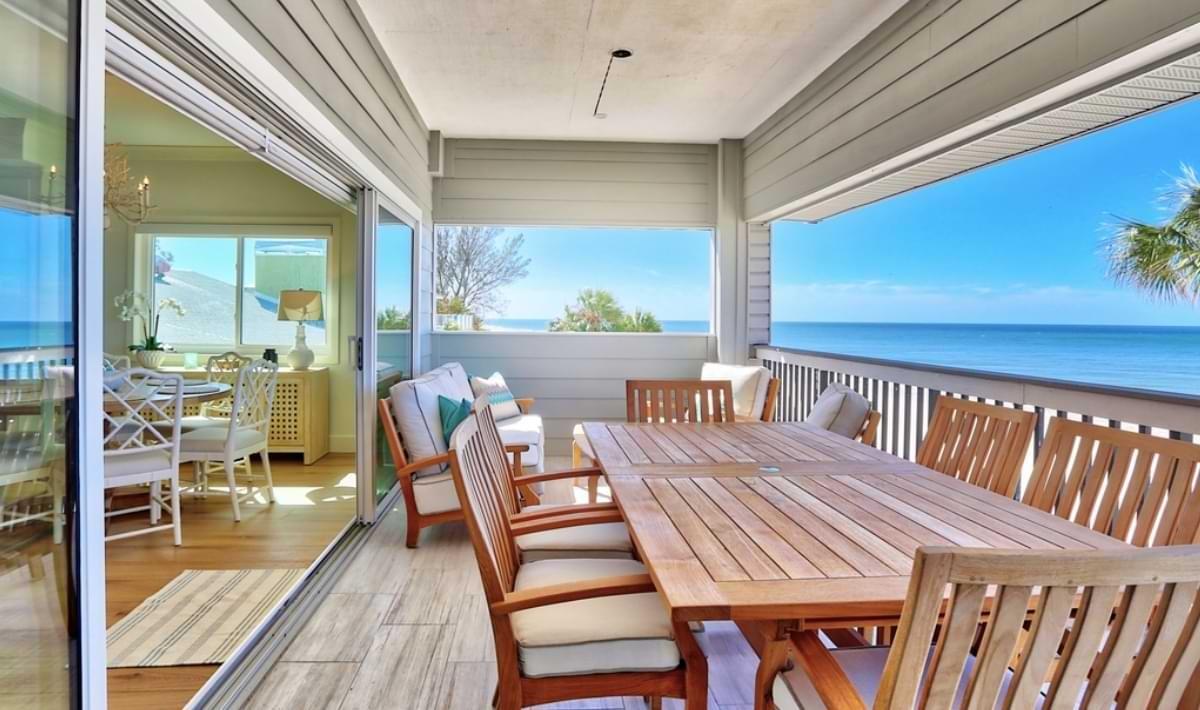
- A balcony with a water view.
- A pool at sunset.
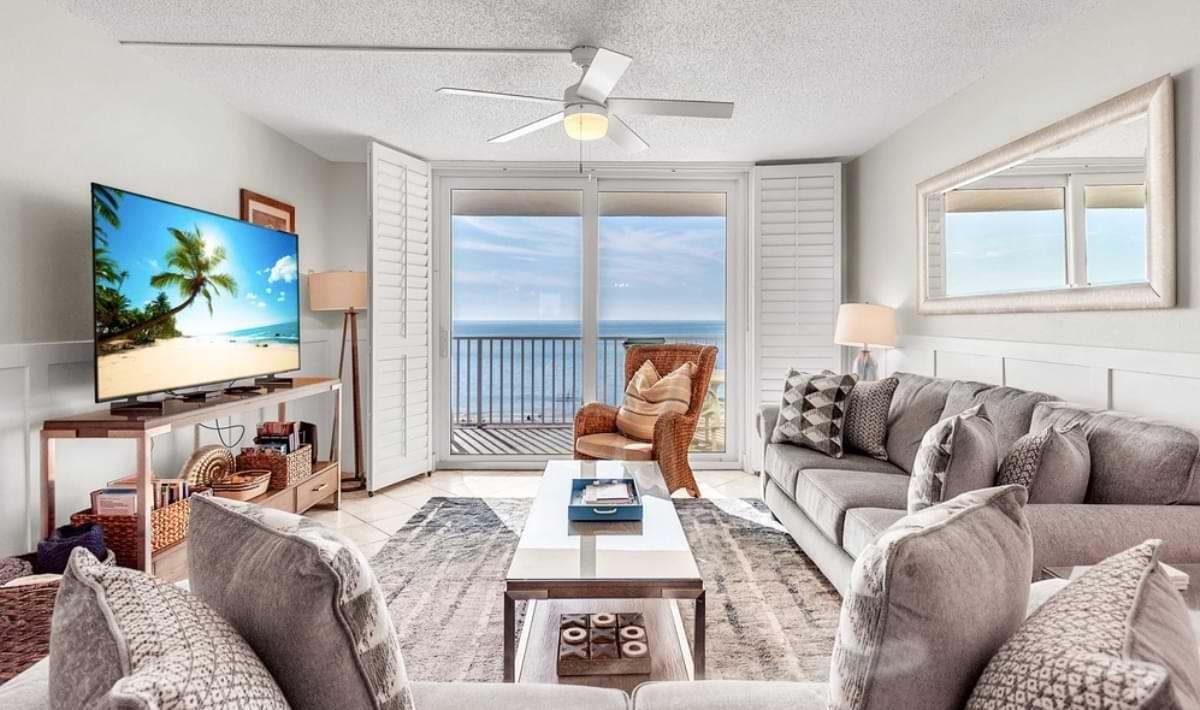
- A bright, well-styled living room.
- A combination of view + amenity.
The key here is simple: pick the image that best sells the experience, not just the space.
6. Lighting is a Make-or-Break Factor
You can have a beautifully designed property, but if the lighting is off, your photos won't work. The goal is bright, warm, and even lighting. No harsh shadows. No dark corners.
What to Focus On
Use natural light as much as possible
- Shoot during the day.
- Open all curtains and blinds.
Choose the right timing
- Sunny days are ideal.
- Early morning or late afternoon (golden hour) gives softer, more flattering light.
Turn on all interior lights
- Lamps, ceiling lights, accent lighting.
- This balances indoor and outdoor brightness.
7. Angles Matter More Than You Think
If you're trying to photograph your rental yourself, this is a game-changing lesson: how you position the camera changes how the space is perceived. For best practices, you should:
- Shoot from corners, not straight at walls.
- Include some of the floor to show scale.
- Use multiple angles to show depth.
Here's what you should avoid:
- Flat, straight-on shots (they shrink the space)
- Tight framing that hides the layout.
Keep in mind: You want your rooms to look open, clear, and easy to understand.
8. Find the Focal Point in Every Room
Every space has something that stands out. It could be a large bed, a view, a piece of art, a pool, or a feature wall. Your job is to center the composition around that element while still showing enough of the surrounding space to give context and a clear sense of layout. This helps guests immediately understand what makes each room special without feeling overwhelmed.
Also, keep images sharp and clear, and avoid blur except in close-up detail shots. Crisp, well-defined photos highlight textures, finishes, and overall quality, making your property look more polished and reliable.
9. Staging
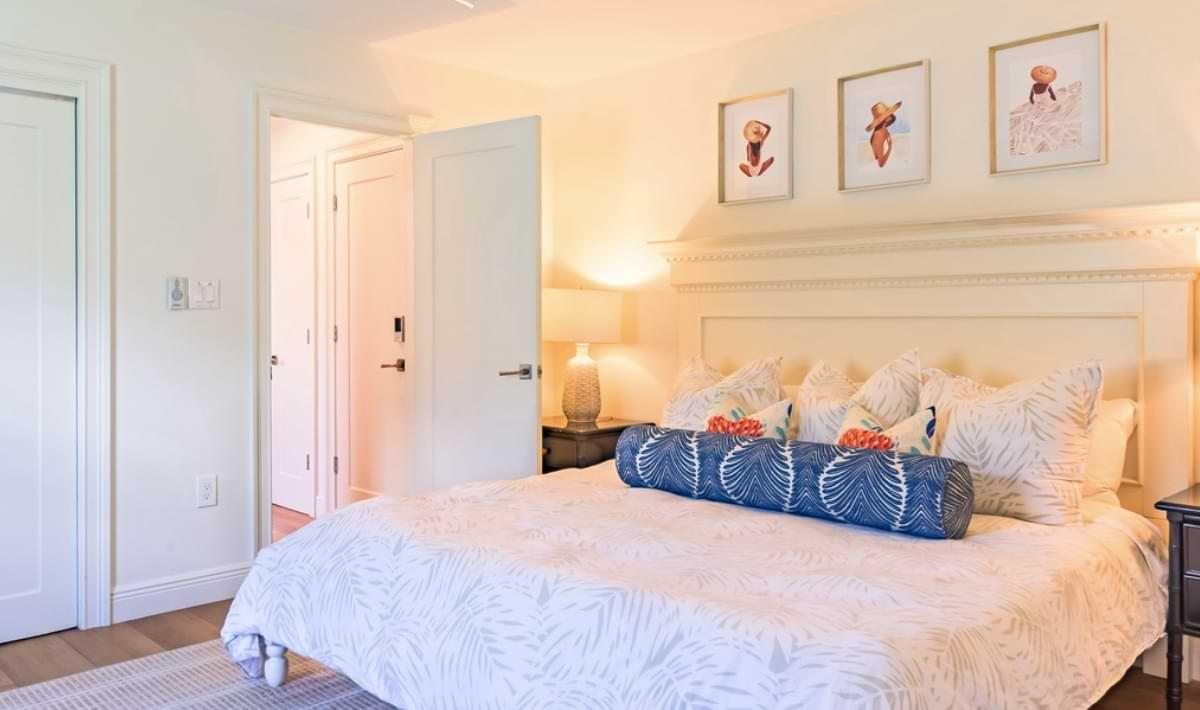
Before photographing the property, staging it is essential. I'm talking about cleaning everything, removing clutter, and simplifying surfaces. But this is just the basics. You should also:
- Add plants or flowers.
- Add cushions and throws.
- Add simple decorative touches.
A well-staged space looks more premium, photographs better, and creates emotional appeal
Heads up: When staging, be careful. If guests see certain elements in your photos and they are not in the rental when they check in, it can disappoint them. In staging, you're also creating expectations, and they should always be met.
10. Detail Shots
While wide shots show the space, detail shots sell the experience of staying in your rental. Wondering what details to include in your photo set? Here are some important ones:
- Towels in the bathroom.
- Coffee setups in the kitchen.
- Styled bedside tables.
- Textures and materials.
Detail shots add warmth, break visual monotony, and reinforce quality.
11. Outdoor Spaces
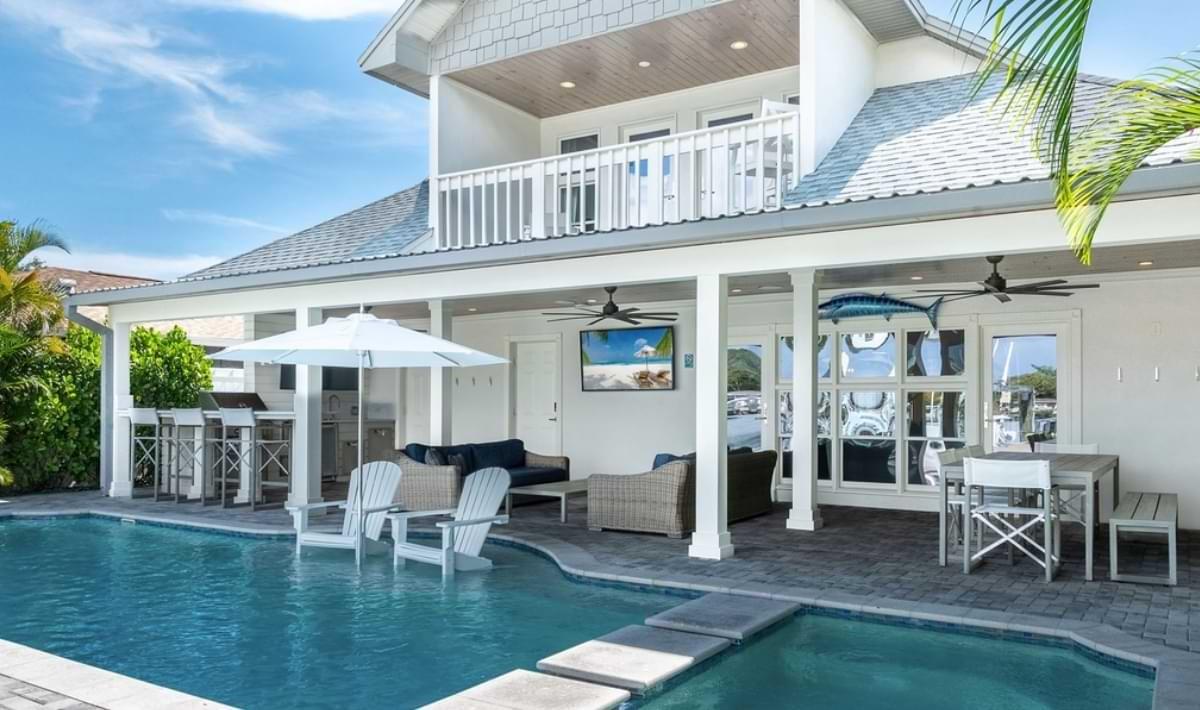
In St. Pete Beach, Treasure Island, Madeira Beach, and surrounding areas, outdoor spaces are often one of the key deciding factors for guests looking for vacation rentals.
When capturing your property, make sure you highlight:
- Beach access.
- Balconies and views.
- Pools and lounge area.
- Outdoor dining setups.
If your property has a view, show it clearly. If it has a pool, make it a focal point. These are not secondary features; they are extremely important booking drivers.
12. Smartphone vs Professional Photography
Many owners face this dilemma when they need to photograph their rentals. Here's a simple answer: photographing with a smartphone can give you decent results. Still, professional photography shows your property in the way it deserves, and in a way that catches guests' attention.
If your budget allows, professional photography is one of the best investments you can make. Beyond wide-angle lenses, advanced lighting, and editing expertise, professionals know exactly what to capture. With professional photography, the results are measurable. You'll get more views, more bookings, and justify higher rates.
Yes, high-quality photos are not cheap, but in most cases, the return far outweighs the cost.
In case you still choose to go for smartphone shots, here are the best practices you should follow:
- Use gridlines for alignment.
- Shoot in landscape mode.
- Keep the camera at eye level.
- Avoid flash.
13. Keep It Honest
It's tempting to oversell with photography, but that's a short-term win. Your photos must always reflect reality.
Ask yourself:
- Does this accurately represent the space?
- Could this mislead a guest?
If expectations don't match reality, reviews will suffer. And in this business, reviews are everything.
Bonus: Common Mistakes to Avoid
Quick checklist:
- Poor lighting.
- Cluttered rooms.
- Missing key spaces.
- Flat, unflattering angles.
- No detail shots.
- Inconsistent photo quality.
- Misleading images.
Ready to take your vacation rental to its full potential?
With decades of experience, a dedicated local team, and smart revenue strategies, we help vacation homes perform at their best year after year.
Partner with Resort Rentals for full-service, locally grounded property management in St. Pete Beach, Indian Shores, Madeira Beach, and nearby Treasure Island.
Curious what your property could earn? Request a free rental projection and see the numbers clearly, with no obligation.