
Updated: December 14, 2025
Fort De Soto Park spans 1,136 acres across five islands, offering pristine beaches, diverse wildlife, and seven miles of trails. This award-winning destination features 328 bird species, kayaking through mangrove tunnels, historic fortifications, and a popular campground. Perfect for nature lovers and families seeking Gulf Coast adventure.
-391DBAE4-DF36-466F-9A74B67CE15CA56C.jpg)
Fort De Soto Park is a real gem in the Pinellas County's park system. Whether you are sitting on the beach or kayaking near the still water's edge at Fort De Soto, you find yourself absorbed in the abundance of natural beauty for as far as the eye can see. The complexity of the ecology is not immediately apparent, but the park offers the greatest diversity of systems just about anywhere. Emerging from the wealth of bird life, sea life, wildlife and plant life is the majestic tapestry called Fort De Soto.
Spread across five interconnected islands—Madelaine Key, St. Jean Key, St. Christopher Key, Bonne Fortune Key, and the main island—this 1,136-acre park showcases some of Florida's most pristine coastal environments. The Spanish moss-draped mangroves give way to sugar-white sand beaches, creating a landscape that feels worlds away from the nearby urban centers of Tampa and St. Petersburg.
Contents
1. A Haven for Wildlife and Nature Enthusiasts
3. Recreation Beyond the Beach
A Haven for Wildlife and Nature Enthusiasts
Another amazing example of the importance of the park's natural ecosystems is the more than 328 species of birds that have been documented over 60 years by ornithologists. New species are being added every year. Birdwatchers flock to Fort De Soto with binoculars in hand, hoping to spot everything from roseate spoonbills and reddish egrets to migratory warblers and the occasional peregrine falcon. The park sits along the Atlantic Flyway, making it a critical stopover point for birds migrating between North and South America.
The beach also provides refuge to the loggerhead sea turtle, which nests between April and September. Walking along the shoreline one May morning, we spotted the distinctive tracks these ancient mariners leave as they crawl ashore to lay their eggs. Park rangers and volunteers work tirelessly to protect these nests, marking them with stakes and tape to ensure beachgoers give them a wide berth.
Beyond the birds and turtles, the park's waters teem with dolphins, manatees, and countless fish species. The shallow seagrass beds serve as nurseries for juvenile fish, while the mangrove forests provide shelter for crabs, oysters, and other marine creatures that form the foundation of the coastal food web.
-337AF051-A8A9-4C3A-8C21D6D3EC8B29B6.jpg)
Award-Winning Beaches
Fort De Soto was named America's Top Beach by TripAdvisor in 2009. In 2005, 'Dr. Beach,' the nickname of coastal expert Dr. Stephen Leatherman, named Fort De Soto the nation's #1 Beach. These accolades aren't just for show—the park's beaches genuinely rank among the finest in the country.
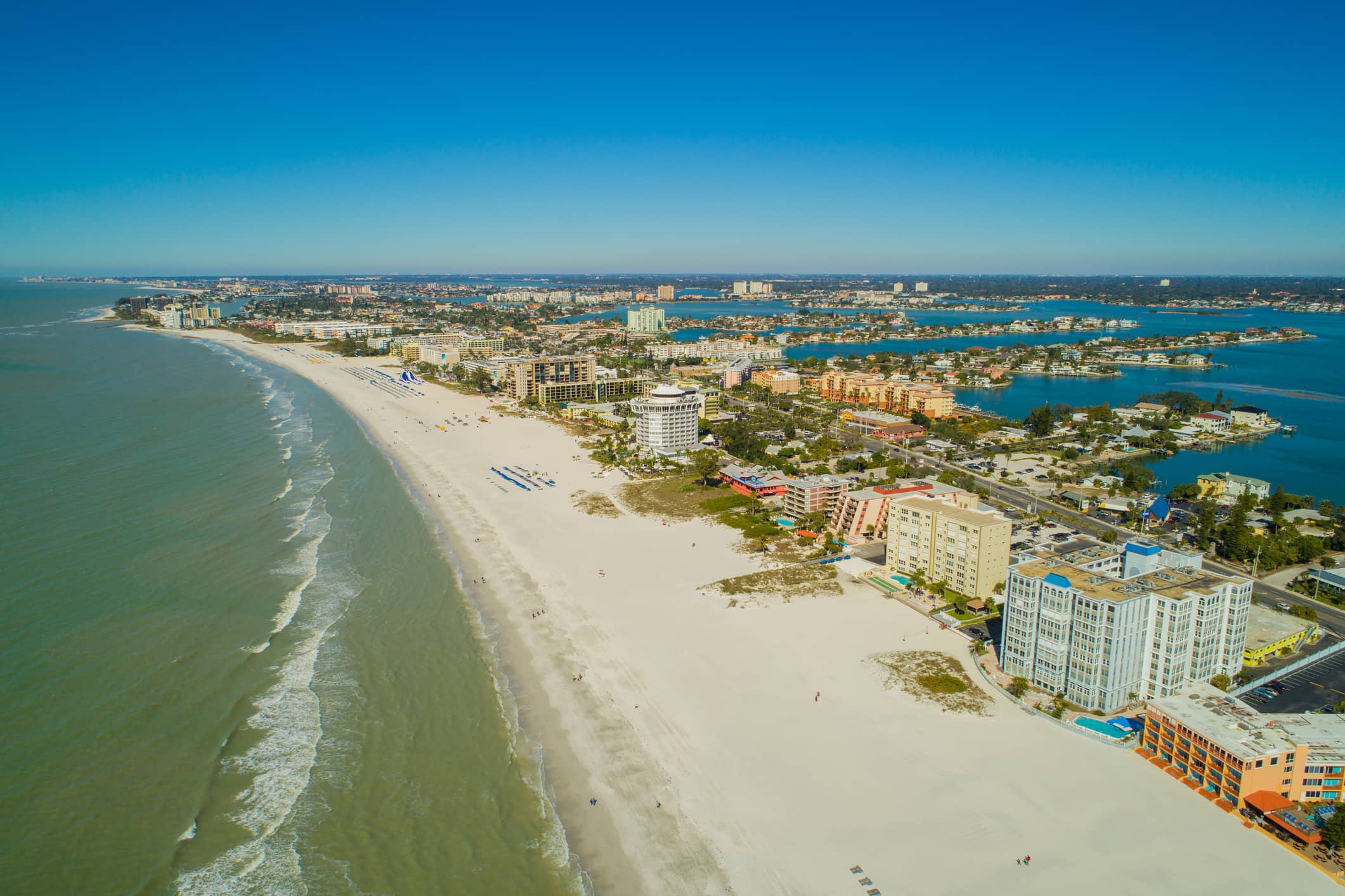
The main North Beach stretches for over three miles. I've visited on busy summer weekends and still found plenty of space to set up our umbrella. The sand is powdery soft underfoot, composed of fine quartz crystals that stay relatively cool even under the intense Florida sun. The gentle slope of the beach and the calm waters of the Gulf make it ideal for families with young children who want to splash in the shallows without worrying about strong currents or sudden drop-offs.
East Beach, on the opposite side of the park, provides a quieter alternative with stunning views across Tampa Bay. My husband and I stumbled upon this spot one afternoon while exploring the park's bike trails, and we ended up spending hours just watching sailboats glide across the water while ospreys dove for fish nearby.
Recreation Beyond the Beach
While the beaches draw most visitors, Fort De Soto offers an impressive array of other recreational opportunities. The park features seven miles of paved trails perfect for biking, rollerblading, or leisurely walks. We rented bikes from the on-site concessionaire and spent a morning pedaling through maritime hammocks and past scenic overlooks, stopping frequently to point out interesting birds to our kids.
Kayakers and paddleboarders will find endless exploration opportunities in the park's protected waters. The mangrove tunnels on the bay side create a magical paddling experience, where you glide through narrow channels enclosed by arching vegetation, occasionally startling herons or catching glimpses of fish darting beneath your kayak. Several local outfitters offer rentals and guided tours if you don't have your own equipment.
The park also maintains two fishing piers—a 1,000-foot Gulf Pier and a 500-foot Bay Pier—both of which attract serious anglers and casual fishermen alike. My brother-in-law spent an entire afternoon on the Bay Pier last summer and came back with stories about the snook and redfish he saw being caught, though he admits his own catches were more modest.
Historical Significance
The park takes its name from the historic fort constructed during the Spanish-American War. Fort De Soto was built between 1898 and 1906 to protect Tampa Bay's shipping channels. Though the fort never saw combat, it represents an important piece of Florida's military history. Today, visitors can explore the preserved fortifications, including massive disappearing gun batteries and underground ammunition magazines.
The fort's museum provides context about the installation's construction and operation, with displays of period artifacts and photographs. Walking through the concrete bunkers and gun emplacements, you get a sense of how soldiers stationed here would have experienced life at this remote coastal outpost.
Planning Your Visit
Fort De Soto opens daily at sunrise and closes at sunset, with extended hours during summer months. The park charges a modest entry fee of $6 per vehicle, which helps maintain the facilities and protect the natural resources. The park offers multiple amenities including restrooms, outdoor showers, picnic pavilions, and a waterfront café serving breakfast and lunch.
The 236-site campground fills up quickly, especially during winter months when snowbirds migrate south to escape northern weather. Sites offer water and electric hookups, and many provide waterfront views. Reservations open six months in advance and are highly recommended for weekend stays.
Whether you're seeking a peaceful nature retreat, a fun family beach day, or an outdoor adventure, Fort De Soto Park delivers on all fronts. This remarkable preserve demonstrates that even in one of Florida's most developed regions, spaces of extraordinary natural beauty can still thrive when properly protected and managed.
Fort De Soto Park
3500 Pinellas Bayway S.,
Tierra Verde, FL 33715 – gmap
After exploring Fort De Soto's natural wonders, consider extending your Gulf Coast adventure westward. Pensacola Beach Property offers pristine emerald waters and white sand beaches along Florida's Panhandle, plus comfortable vacation rentals that make the perfect base for your next coastal getaway.