
Updated: December 16, 2025
St. Pete Beach uses a color-coded flag system to warn beachgoers about water conditions and marine life. Knowing what green, yellow, purple, red, and double red flags mean helps you plan safe beach activities and avoid citations. Lifeguards update flags daily based on surf, currents, and potential hazards.
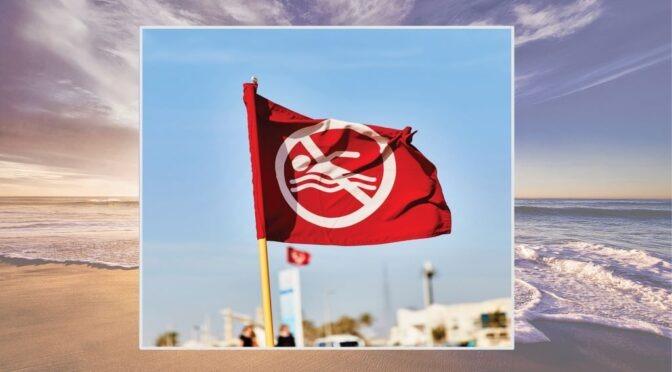
Planning a beach day? Be sure to check the forecast not just for the overall weather but for the beach specifically so you know what you can and can't do, what to expect when you get there and what additional beach items may be necessary!
Contents
1. Understanding St. Pete Beach's Flag Warning System
2. Green Flag
3. Yellow Flag
4. Purple Flag
5. Red Flag
Understanding St. Pete Beach's Flag Warning System
St. Pete Beach maintains a comprehensive beach flag safety system monitored daily by trained lifeguards who assess current conditions each morning. I've learned to check the flags before even unloading my beach gear from the car; it's saved me from more than one disappointing day when I'd packed the boogie boards only to find double red flags flying.
The flag system isn't just a suggestion; it's backed by Pinellas County ordinances, and lifeguards take these warnings seriously because conditions on the Gulf can change rapidly, sometimes within just a few hours. These guidelines follow the standardized beach warning flag program used across Florida beaches.
Green Flag
"If green flags are waving, the kids are playing!" The green flags flying at the beach mean all is calm and beautiful, these are the beach days dreams are made of with calm seas. These days usually show 0-1ft. waves! Make sure to apply extra sunscreen because days like these can make you burn before you even know it!
On green flag days, I've noticed families set up closer to the water since there's minimal wave action, and it's perfect for young children building sandcastles right at the water's edge. The Gulf often looks like glass on these mornings, and you can wade out surprisingly far while still touching bottom, though you should always keep children within arm's reach regardless of conditions.
Yellow Flag
Yellow Flags at the beach mean the surf is usually a little heavier, but not by much, 1-2ft usually. Just use extra caution when in the water. These are still perfectly enjoyable beach days, but I've found that yellow flag conditions call for a bit more vigilance, especially with younger swimmers.
The rip currents become more noticeable during yellow flag days, so I always remind my kids to swim parallel to the shore if they feel themselves being pulled out. It's also when I keep the floaties handy even for my stronger swimmers, because that extra foot of wave height makes a bigger difference than you'd think when you're chest-deep in the Gulf.
Purple Flag
Purple Flag beach days mean there is potentially harmful marine life in the area. Often times you may see purple flags flying simultaneously with a green, yellow or red flag. On these days, use your judgement on entering the water. During my years visiting St. Pete Beach, purple flags have most commonly indicated jellyfish presence, particularly during certain times of year when Portuguese man o' war drift into the area.
I've also seen them posted when stingrays are concentrated in shallow waters—doing the "stingray shuffle" by dragging your feet through the sand becomes extra important on these days. The lifeguards usually have specific information about what marine life triggered the purple flag, so it's worth asking them directly rather than just guessing.
Red Flag
Red Flags flying mean that the waters have high surf and you should stay out of the water. You can still play in the sand, relax in your beach chair or take a walk along the beach! Just don't get in, unless you are a surfer with a personal floatation device. I've made the mistake of thinking "just my feet" would be fine during red flag conditions, but even ankle-deep water can generate surprising force during high surf.
The undertow on red flag days can pull the sand right out from under your feet. These are great days for shelling, building elaborate sand sculptures away from the water, or simply enjoying the dramatic waves from a safe distance with a good book.
Double Red Flag
Double Red Flags waving mean there is no entering the water due to dangerous conditions. Law enforcement can actually issue citations for water entry during double red flag warnings in Pinellas County. Under Pinellas County Code Section 70-221, entering the water during double red flag conditions is prohibited and violations can result in fines.
I've witnessed double red flags during tropical storm systems passing offshore, and the water becomes genuinely treacherous with strong rip currents and dangerous wave action.
Even experienced swimmers have gotten into serious trouble ignoring double red flags. Use these days to explore St. Pete Beach's other attractions or simply enjoy the raw power of nature from the safety of the shore.
For the full beach forecast with tide times, wind speeds, wave heights and more, check out our friends at https://www.windfinder.com/forecast/saint_pete_beach for the latest details so you can have #TheUltimateRandR!
When you're ready to experience incredible coastal beauty beyond the Gulf, Beach Retreats by Village offers stunning vacation rentals along North Carolina's Outer Banks. Different waters, same commitment to helping families create unforgettable beach memories with safe, comfortable accommodations.